
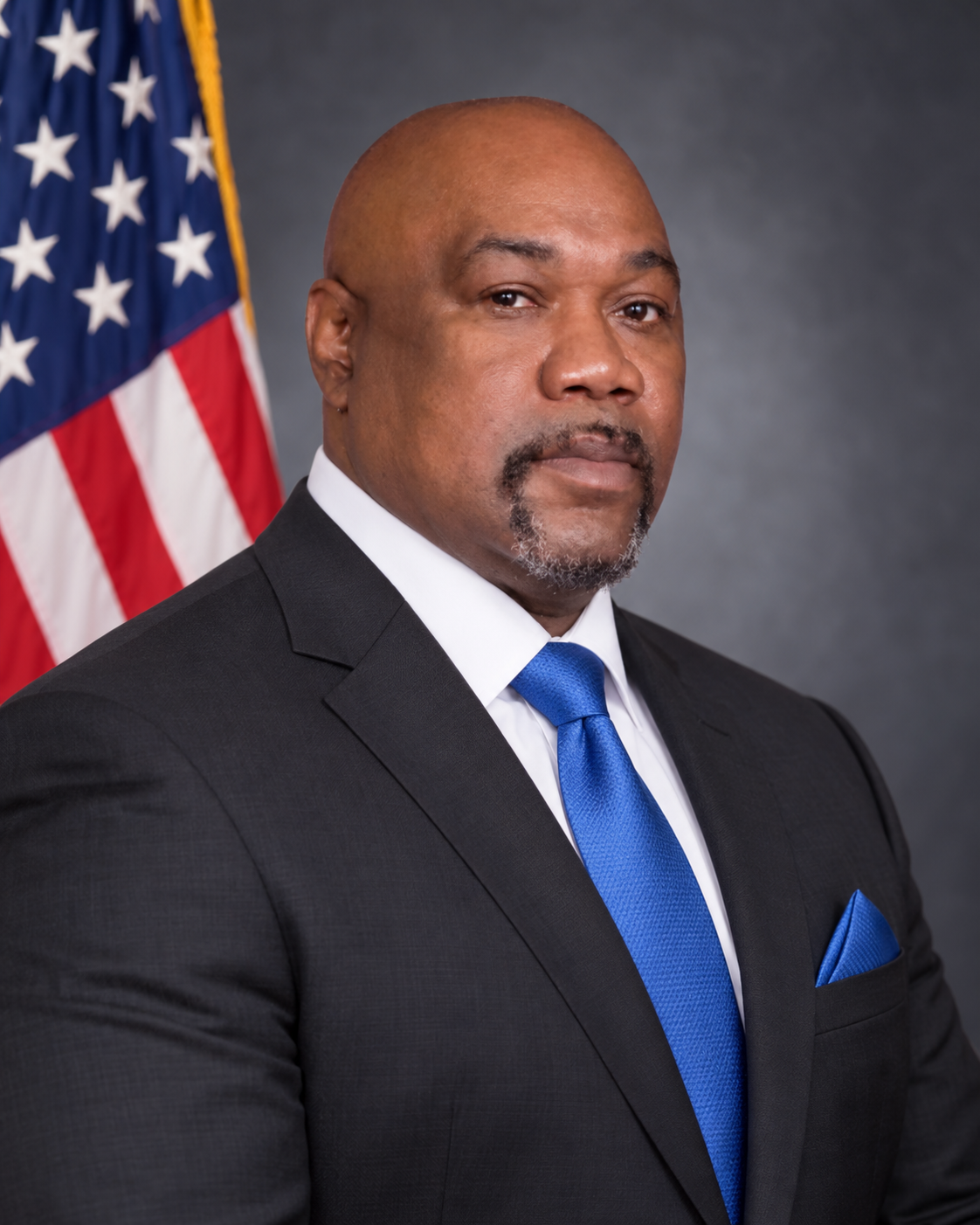
A Transformation Story
The Road Not Taken
Before the badge. Before the books. Before the court appointments and the investigations.
There was a young man from Miami who came remarkably close to living a very different life.
This is not a criminal-history page. It is a transformation page.
This is not the biography of a perfect man.
It is the biography of a man who learned.
Robbins does not present his early life as a collection of excuses. He presents it as evidence that direction can change. People make poor decisions. People choose the wrong friends. Young people seek acceptance. People fall. People get back up.
The measure of a person is not whether he has ever made a mistake.
The more important question is: What did he become afterward?
Act I — The Formation
Miami. Family. The Beginning.
Shortly after high school, during his early college years, Anthony Robbins experienced his first arrest in Miami-Dade County. He had never had a criminal record. He had never before experienced the transformation that can occur when a person suddenly goes from being known simply as a student, son, or young man to being identified by the justice system as an arrestee.
Sitting in the back of a police vehicle on the way to the county jail, Robbins had time to consider how quickly life could change. Seconds earlier, he had been a young man with no criminal history. Now he was being transported to jail. The matter was ultimately dismissed.
In the community in which Robbins grew up, he had already seen how easily young African American men could become defined by an encounter with the criminal-justice system rather than by the totality of their character.
For Robbins, the experience introduced a question that would follow him throughout much of his life:
Can one chapter become the permanent definition of a person?
His eventual answer would be no.
“A mistake may become part of your record, but it does not have to become the author of your future.”
— Anthony L. Robbins
Like many young people, Robbins wanted to belong. One day he rode with several young men without knowing that they intended to purchase drugs. The vehicle entered an area known for drug activity. Police stopped the car. A tactical street-enforcement team approached. Weapons were drawn. Handcuffs were placed on wrists.
But something unexpected happened. An officer approached him. The officer questioned why he was there and warned Robbins that continuing to associate with that lifestyle could eventually leave him with only two destinations:
Prison or the grave.
The officer removed Robbins's handcuffs. The others were arrested. Without transportation, Robbins faced a long journey home. He walked. Approximately thirty miles. But the physical distance was not the most important part of the journey. Something had begun changing internally.
Years later, Robbins would remember that officer not simply as someone wearing a badge, but as a person who took several seconds to speak to a young man whose future was still undecided. That interaction mattered.
Later in 1994, while in Tallahassee, Florida, Robbins encountered the criminal-justice system a second time. This arrest involved a felony allegation. The matter was ultimately resolved without a conviction — the prosecution did not move forward with the charge.
Once again, the experience forced Robbins to confront how vulnerable a person's reputation, career, and future can become the moment his name enters the criminal-justice system — regardless of the outcome.
These experiences are not represented here as criminal convictions. They were not. The distinction matters. But Robbins also does not want his biography to pretend these events never occurred. They are part of his journey — not because an arrest defines him, but because what he did afterward helps explain who he became.
The Turning Point
A Mother's Voice
Long before titles, credentials, investigations and public service, there was a mother telling her son: Don't go. Something doesn't feel right.
Later that same year, friends arrived. They were going out. Robbins intended to get into the car. His mother stopped him. Like many young men, Robbins initially saw parental concern as unnecessary interference. He got into the vehicle.
Then something changed. He remembered the previous experience. He remembered the officer's warning. He remembered the direction his life appeared to be moving. And he made a decision.
He got out.
His friends laughed. They called him afraid. They pressured him to come. For perhaps one of the first important moments of his young adulthood, Anthony Robbins made a conscious decision not to follow. He stayed behind.
Approximately two hours later, those young men became involved in a police pursuit. They were arrested. The consequences were serious. Several eventually served years in state prison. Robbins had been seconds away from occupying a seat in that car. That realization never completely left him.
One Second.
One second can separate:
freedom from incarceration.
opportunity from consequence.
following from leading.
the life you have from the life you almost had.
Had Anthony Robbins remained inside that vehicle, the biography being read today might never have existed. There might have been no investigative career. No law-enforcement badge. No court appointments. No books. No advocacy. No public service. No opportunity to tell another young person that one difficult chapter does not have to become the conclusion of his life.
“One decision can change a life. One lesson can change its direction.”
— Anthony L. Robbins
Act II — The Transformation
Everyone Said He Could Never Become a Cop
Years later, when Robbins expressed an interest in law enforcement, there were people who told him that his past would prevent him from ever wearing a badge. He kept going.
His motivation was deeper than simply wanting a uniform or title. He wanted to understand the system from within. He wanted to contribute to making it better. He wanted the ability to protect people. He wanted to investigate facts. And perhaps most importantly, he knew what it felt like to encounter the criminal-justice system from the other side.
Eventually Anthony L. Robbins became the very thing some told him he could never become:
A law-enforcement officer.
But wearing a badge did not erase what came before it. It gave those experiences a new meaning.
“Leadership began for me the day I learned that being called afraid was sometimes the price of making the right decision.”
— Anthony L. Robbins
A Central Theme
From Follower to Leader
As a young man, Robbins wanted badly to fit in. As he matured, he discovered that leadership frequently means being willing not to fit in.
Sometimes leadership means getting out of the car when everyone else tells you to stay.
Sometimes leadership means walking thirty miles home.
Sometimes leadership means returning to school.
Sometimes leadership means defending fathers.
Sometimes leadership means investigating uncomfortable facts.
Sometimes leadership means wearing a badge.
Sometimes leadership means questioning the institution whose badge you wore.
Sometimes leadership means accepting that your biography must include the chapters you would rather forget.
“My past explains part of me. It does not define all of me.”
— Anthony L. Robbins
In His Own Words
Why Tell This Part of the Story?
I could build a biography that lists the badges, appointments, books, certificates, investigations, awards and accomplishments.
They are part of my story. But they are not the entire story.
Before the credentials, there were mistakes. Before I investigated others, I had to examine myself. Before I wore a badge, I experienced the justice system from the other side. Before I became comfortable standing alone, I was a young man who desperately wanted to fit in.
If I remove those chapters, I might create a cleaner resume. But I would no longer be telling the truth about the journey.
I am proud of what I have accomplished not because my road was perfect.
I am proud because it wasn't.
— Anthony L. RobbinsOne Life.
Many Chapters.
Still writing the next chapter.
“The question is not whether your life contains chapters you would change. The question is what you write after them.”
— Anthony L. Robbins